|

|
|
What Is ADS-B Technologies?
SINCE 2004
Although we work with both 1090ES and UAT, we probably have more 978 MHz (UAT) experience than any other company in the world!
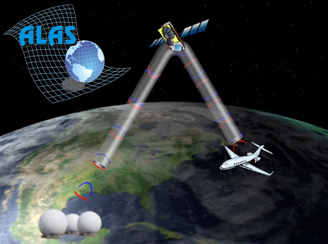
We are the the only company to have developed and successfully flight tested both a 1090ES and a UAT Signal Secure and Tamper-Proof Space-Based ADS-B system!
We have in-depth experience writing Part 23, Part 25, Part 27 and Part 29 Supplemental Type Certificates. We have also written some of the largest ADS-B AML STCs ever approved by the FAA.
ADS-B Technologies specializes in just one thing - Commercial Engineering and Consulting services related to the development, certification and deployment of ADS-B and its related systems.
We were the first company to successfuly demonstrate 978 MHz ADS-B on the Asian (2005) and African (2006) continents and our record of the successful design and construction of numerous ADS-B ground stations and the installation of ADS-B avionics systems in hundreds of aircraft marks us as one of the most experienced ADS-B system integrators in the World today.
In order to provide our clients with the right alternatives, ADS-B Technologies has assembled a group of professionals that represent more actual hands-on experience in flight operations, certification, regulation, training and the deployment of ADS-B ground and avionics systems than can be found in any other commercial organization. As the technology matures, we try to remain "in the thick of it", continuously updating our knowledge, researching new applications and whenever possible, flying with and evaluating new systems.
Our employees and associate consultants have more than 80 man-years of experience with this relatively new technology. And, with a recent history of more than two million flight hours of trouble-free ADS-B services provided to our Clients and with our newest Spaced-Based ADS-B system, we're confident that we can show other nations and commercial entities how they can quickly adapt to, and then derive a significant benefit from, this new generation of satellite-intensive Air Traffic Management systems.
Our Services Span a Wide range of ADS-B Related Skills
Contact us for more info
|
|
|
|